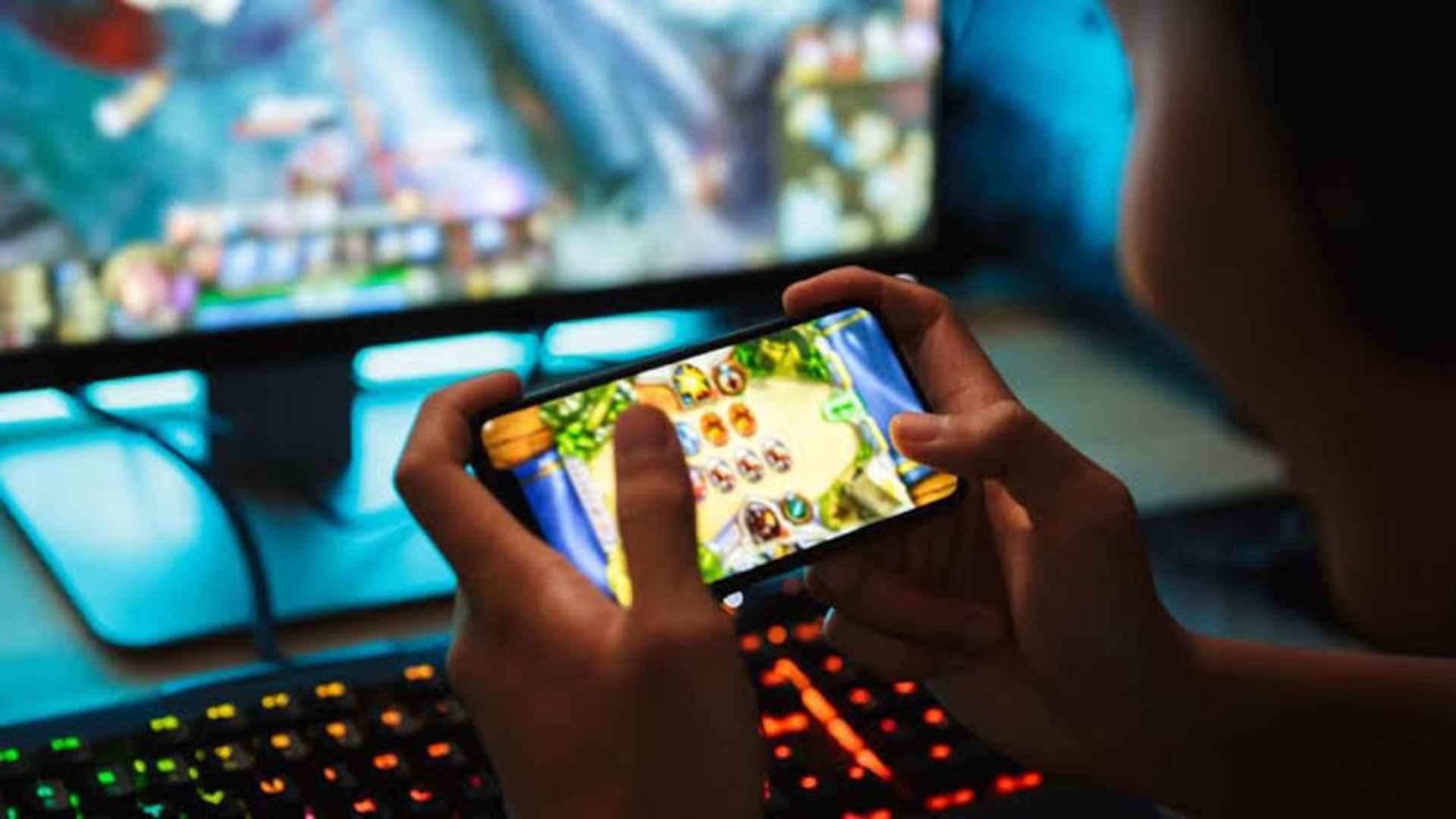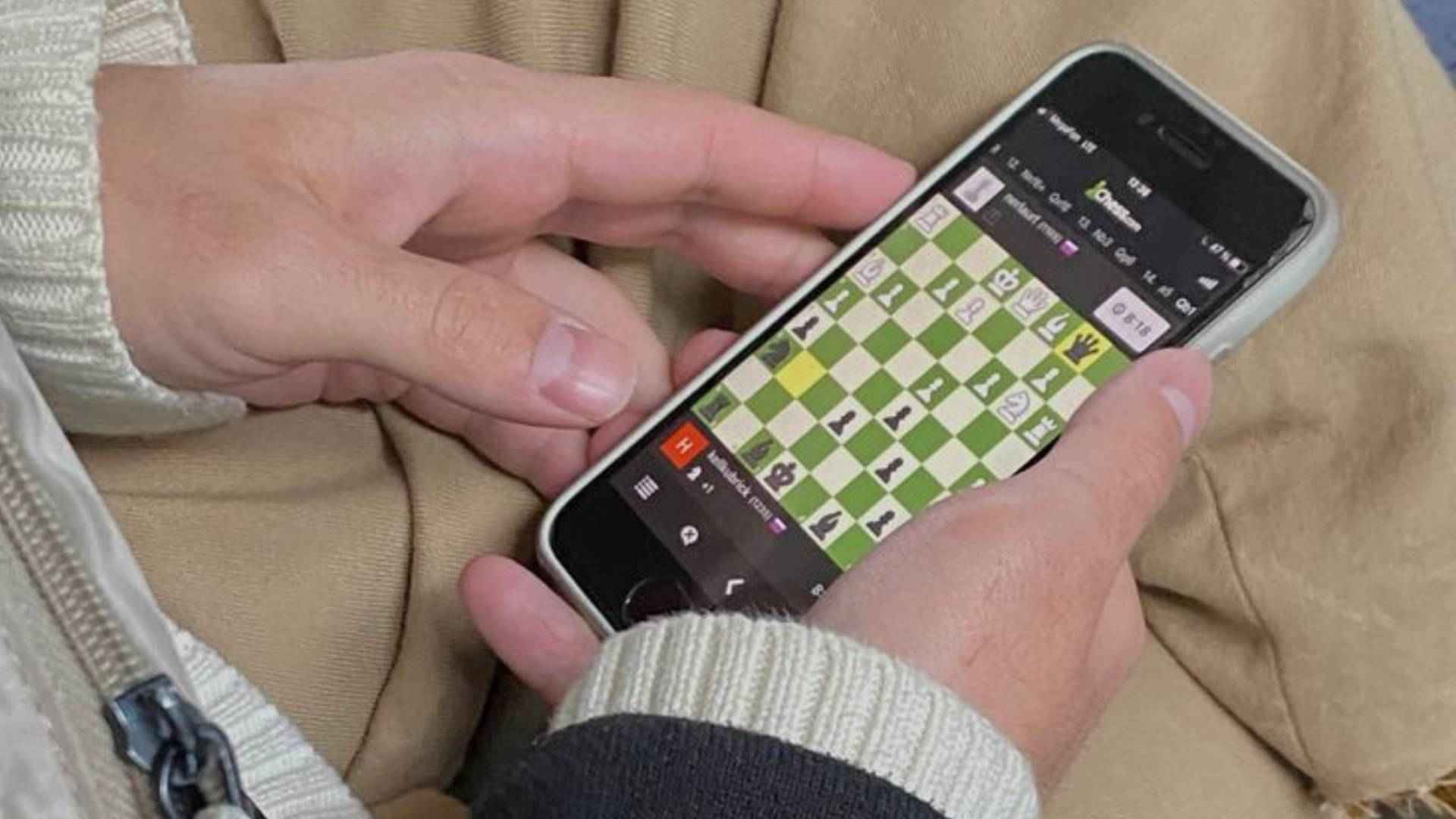
The modern gaming industry has seen a massive shift toward experiences that demand high levels of team synchronization and cognitive planning. Rather than relying solely on individual reflexes, contemporary multiplayer titles challenge players to form cohesive squads capable of executing complex strategies under intense pressure. This evolution has turned casual gaming sessions into deeply rewarding exercises in collaborative problem-solving.
The Evolution of Shared Strategies
In the early days of online gaming, individual skill often decided the outcome of a match. However, modern game design increasingly favors environments where victory depends entirely on collective group mechanics and shared responsibilities. Teams must analyze real-time data, synchronize their character classes, and adjust their tactics instantly to overcome sophisticated opposing forces.
This shifting dynamic has established a vibrant community centered around intellectual adaptability and mutual trust. Players are encouraged to step outside their comfort zones, adopting specialized roles that complement their teammates' strengths. As a result, mastering a game now requires a deep understanding of squad dynamics alongside mechanical proficiency.
Developing Critical Interpersonal Skills
Engaging regularly in tactical multiplayer environments offers significant benefits beyond simple entertainment. These platforms function as interactive training grounds where participants can refine essential communication habits and conflict resolution skills. To experience these cooperative elements in a structured setting, enthusiasts often visit Msports for detailed updates and competitive insight. Successful squads understand that active dialogue and precise positioning are the true keys to overcoming difficult in-game obstacles.
Furthermore, these challenges encourage players to predict their teammates' behaviors and provide instant mutual support. By working together toward a common mission, individuals learn to pool resources and align long-term goals. These experiences build strong social bonds that translate effectively into real-world collaborative scenarios.
Maximizing Collective Performance
Achieving peak efficiency within a tactical team requires clear role definitions and unambiguous task clarity. Modern developers design specialized character archetypes to ensure that no single player can dominate a match alone. This structure forces groups to map out methodical deployment plans before engaging in competitive battles.
When every team member executes their specific assignment flawlessly, the collective output becomes far greater than the sum of individual actions. This high level of coordination minimizes chaotic decision-making and ensures optimal resource management throughout the match. It creates an exhilarating competitive space where strategic foresight reigns supreme.
The Future of High Stakes Coordination
As network infrastructure continues to improve worldwide, the scale of multiplayer conflicts is reaching unprecedented heights. Future titles are expected to introduce even more dynamic environments that adapt directly to a squad's collective choices. This progression ensures that the demand for sophisticated group tactics will continue to grow within the global gaming ecosystem.
Ultimately, the continuous refinement of matchmaking algorithms will guarantee fair and balanced arenas for teams of all experience levels. Dedicated players will always find fresh challenges to test their strategic limits and communication boundaries. The journey toward absolute team mastery remains one of the most compelling aspects of interactive entertainment.