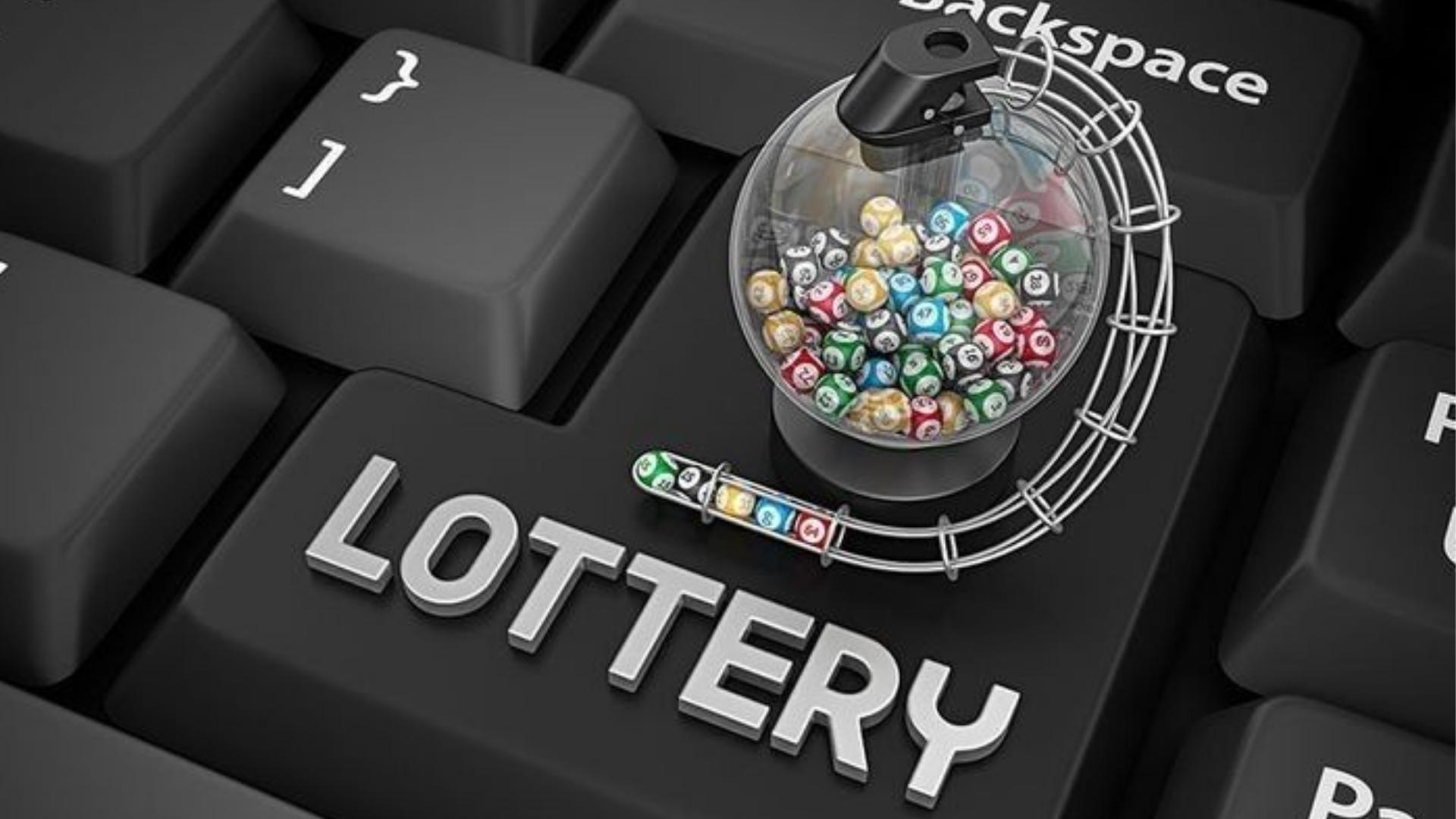
As modern gaming continues to evolve, developers are increasingly looking for ways to create dynamic, long-lasting user experiences. Among the most impactful innovations driving engagement today is the integration of randomized reward systems. By replacing predictable progression loops with chance-based outcomes, interactive media has unlocked a powerful method for keeping audiences intrigued and continually invested.
The Mechanics Behind Surprise-Based Systems
Randomized bonuses operate on basic psychological principles of variable reinforcement, where unpredictable success triggers heightened cognitive engagement. When players perform an action without knowing the precise reward, anticipation builds far more effectively than with fixed schedules. This element of uncertainty transforms routine tasks into exciting opportunities for discovery.
Game designers carefully program algorithms to maintain a balance between frequency and reward value. If high-tier items or unexpected advantages drop too often, they lose their appeal, but if they are too sparse, players become disengaged. Striking the right balance ensures that every interactive session retains a sense of novelty and potential growth.
Transforming Player Retention in Modern Gaming
Long-term retention depends heavily on how fresh a digital environment feels over extended play periods. By embedding chance-based rewards into progression structures, developers prevent gameplay from becoming tedious or formulaic. Players are encouraged to return repeatedly, driven by the possibility of encountering rare occurrences or unique bonuses.
Furthermore, these dynamic incentives encourage diverse playstyles as users adapt their strategies based on the unexpected assets they acquire. Gamers interested in exploring how industry platforms implement these features can check out the boss toto link for further analysis on modern digital ecosystems. Such mechanisms help build vibrant communities where participants continuously share their unexpected triumphs.
Ethical Design and Sustainable Engagement
While uncertainty generates excitement, designers face the ongoing challenge of creating fair and sustainable systems. Relying purely on chance can lead to player exhaustion if individuals feel their personal effort yields no meaningful return. Consequently, modern titles often implement fallback mechanics that guarantee minimum rewards alongside random distributions.
Transparent rules and fair odds are essential for maintaining user trust and fostering a healthy digital environment. When players perceive that randomized systems operate with integrity, their overall satisfaction and loyalty increase. Sustainable design prioritizes entertainment value over artificial friction, ensuring long-term success for online platforms.
What Lies Ahead for Next Generation Titles
Looking toward the future, the evolution of adaptive artificial intelligence will likely refine how surprise bonuses are distributed. Future games may analyze individual play habits in real time, tailoring variable rewards to suit specific player preferences without disrupting competitive integrity. This personalized approach promises to make digital worlds feel more responsive and immersive than ever before.
As interactive media expands into new virtual realms, the integration of intelligent, chance-driven systems will remain central to digital entertainment. By harmonizing psychological insights with ethical framework designs, creators can continue building compelling worlds that captivate global audiences.