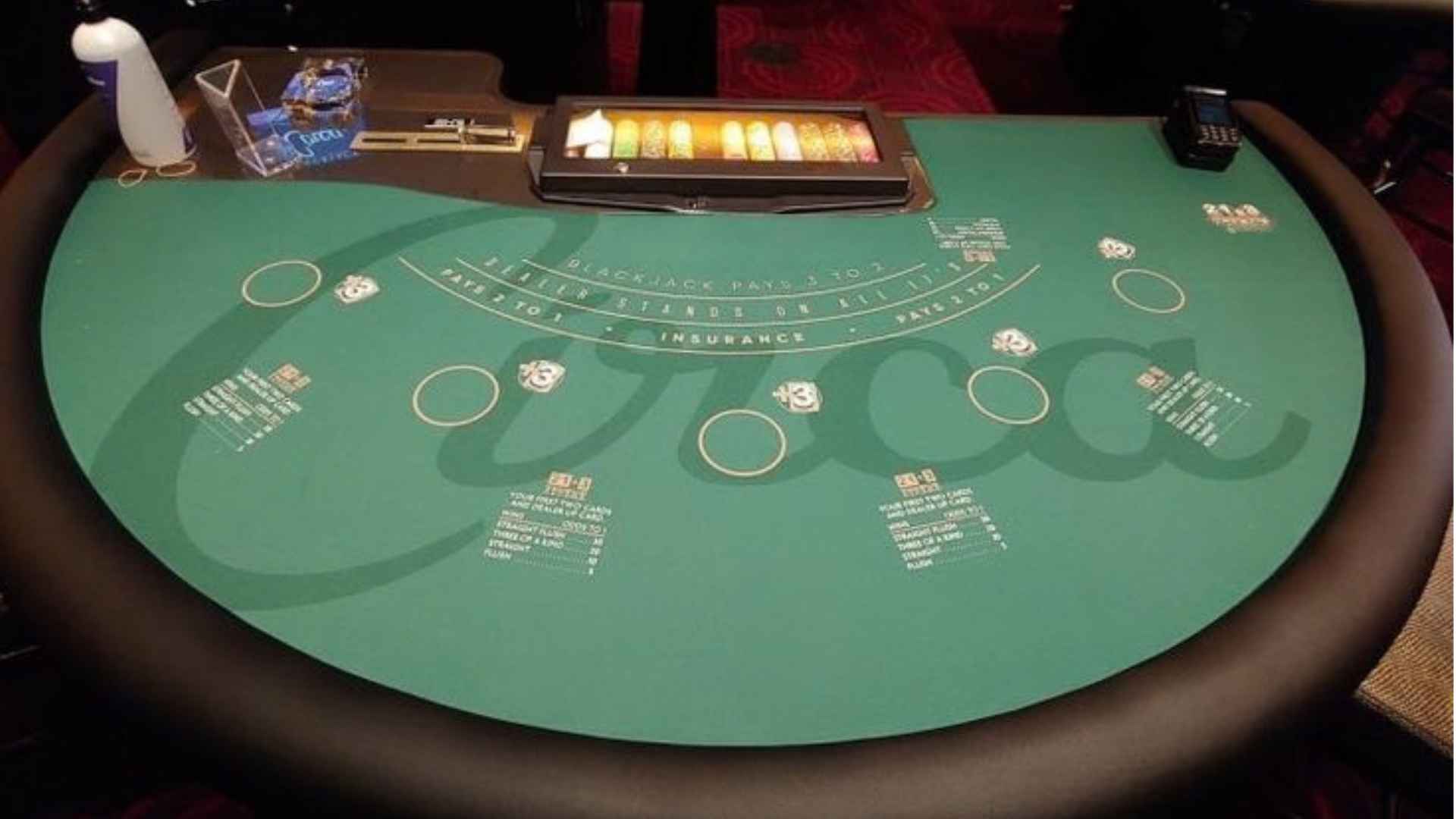
The architecture of classic European card rooms underwent a dramatic transformation when player-managed banking structures emerged as the focal point of high-society gaming. For centuries, traditional clubs and private salons relied on flexible, rotating table responsibilities where participants actively challenged each other rather than a standardized corporate house. This dynamic model altered the social environment and laid the foundational mechanics for modern table games across the globe.
The Shared Risk of Early European Salons
In early gaming history, the banker position was not a fixed asset owned by an elite venue but an active responsibility rotated among the players. This participatory framework meant that any individual with sufficient capital could assume control of the table, instantly altering the competitive landscape. As players took turns funding the game, table strategies evolved around assessing the financial tolerance and emotional temperament of the changing banker.
This early format relied heavily on direct social engagement and mutual trust, making each card deal a highly personal transaction. Because the banker bore full financial responsibility for all outstanding wagers, the game demanded heightened table awareness from everyone present. This unique atmosphere separated historic European card rooms from modern commercial establishments where the dealer operates under rigid, predetermined constraints.
Refining Rules Within The Continental Circuit
As gambling traditions spread through prominent French and Italian gaming hubs, the rules governing banker-led formats became increasingly sophisticated. Establishments introduced structures that allowed the bank to be auctioned to the highest bidder or passed systematically to ensure fair distribution of opportunity. These refinements helped regulate table behavior and protected participants from excessive financial exposure during extended sessions.
During this era of refinement, player options became more structured, striking a balance between calculated choice and absolute chance. Enthusiasts seeking to explore the modern legacy of these strategic card rooms can monitor competitive options through a trusted platform like m88 thể thao to observe how modern interfaces handle classic mechanics. These digital spaces preserve the original mathematical tension while upgrading operational safety and user accessibility.
The Transition Toward Centralized Modern Play
The decline of classic player-operated banking models occurred as global casinos began prioritizing operational speed, consistency, and volume. Centralizing the banking role allowed modern venues to eliminate interpersonal disputes and establish a fixed mathematical advantage that guaranteed long-term stability. This transition effectively turned a deeply interactive social ritual into a streamlined, fast-paced commercial activity.
Despite these institutional changes, the historical legacy of player-controlled banking continues to captivate gaming historians and strategic thinkers today. Modern variants still mirror the ancient drawing rules and hand valuation systems developed during the peak of European salon culture. Understanding this structural evolution provides contemporary players with a complete appreciation for the rules and customs that govern modern casino tables.